
Spinal cord injury (SCI) is a complex and life-changing disease, whose impact is not only limited to the patient but also affects family, clinical professionals, and society as well.
SCI is defined as damage to the spinal cord from traumatic or non-traumatic causes1, which disrupts the neural communication between the brain and peripheral end organ of the body, resulting in varying degrees of sensorimotor loss2.
To assess the sensory and motor impairments following an SCI, the American Spinal Injury Association Impairment Scale (AIS) of the International Standards for Neurological Classification of SCI (ISNCSCI) is used. This scale determines the severity and the neurological level of injury (NLI), which refers to the lowest segment of the spinal cord with normal sensory and antigravity motor function3. AIS defines five grades of severity:

Depending on the severity and NLI, damage can result in temporary or permanent symptoms that may include4,5:
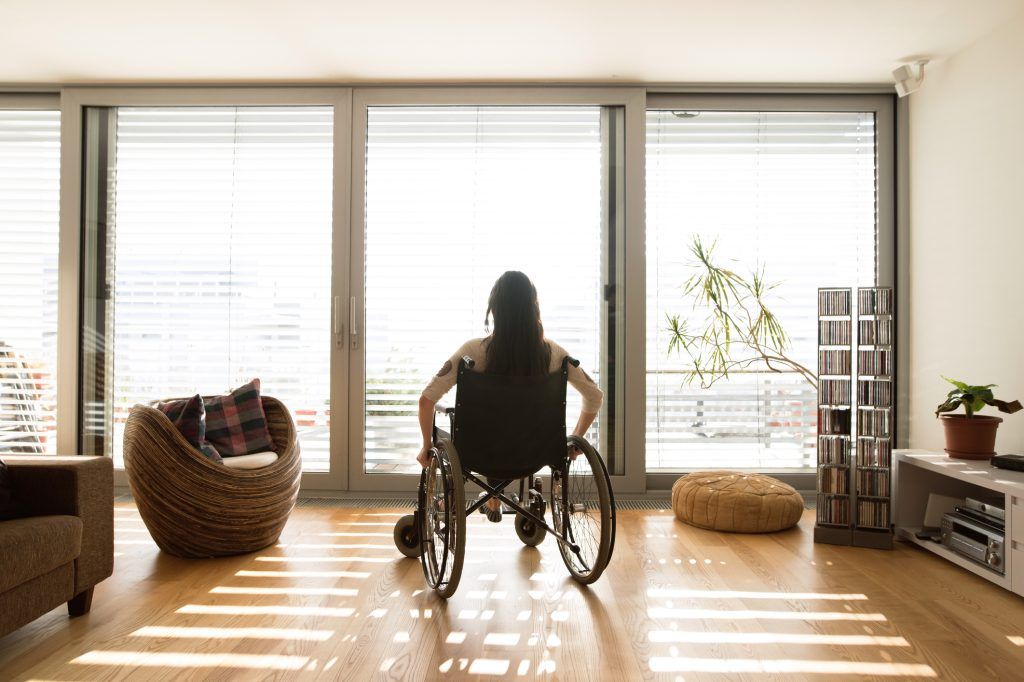
Experiencing these symptoms can lead to a loss of independence and lack of physical activity due to limited mobility, putting the individual at risk for numerous secondary health complications. This includes cardiovascular disease6, muscle atrophy7, urinary tract infections, respiratory issues8, skin breakdown due to pressure sores, increased neuropathic pain, contractures, and fractures due to osteoporosis9, which can negatively impact the quality of life of those living with SCI. For this reason, the main rehabilitation goals for people with SCI include regaining independence and enhancing well-being by improving mobility function, which is highly relevant to participating in social and professional life.
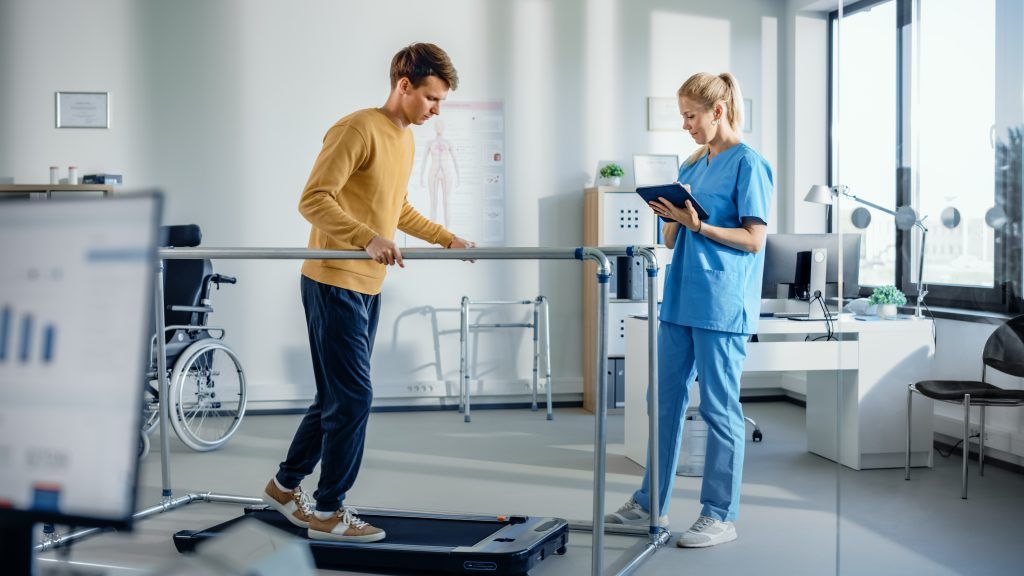
Rehabilitation is considered an integral part of the treatment process. Best clinical outcomes in people with SCI are achieved with early mobilisation and intense rehabilitation therapy under the guidance of physicians, physical therapists, and occupational therapists10.
Exercise is considered essential for lifelong health maintenance after SCI. A primary objective of neurorehabilitation programs is to foment physical activity in an upright position. This not only enhances the patient’s quality of life but also serves to prevent or alleviate potential long-term health complications stemming from physical inactivity7-9.
For patients with motor incomplete injuries, restoration of motor function stands as a crucial rehabilitation goal. This is achieved with early mobilisation and progressive, repetitive, high-intensity gait training, based on the principles of motor learning and neuroplasticity.
Conventional rehabilitation strategies have focused on range of motion and stretching, active exercises, electrical stimulation, and functional training in daily mobility tasks11. This includes physical interventions to promote aerobic fitness and muscle strength.
Walking is a fundamental component of human movement requiring lower-limb activation to initiate steps and support the body’s weight during load-bearing. This stimulates the cardiorespiratory system to increase the delivery of oxygen to working muscles. On the one hand, exercise is considered essential for lifelong health maintenance after SCI, with current guidelines of physical activity in people with SCI recommending a minimum of 20 minutes of moderate to vigorous-intensity activity per session, for two (or more) sessions per week, to achieve improvements in aerobic fitness. On the other hand, task-specific training in functional movements, such as transferring and walking with multiple repetitions of the tasks (high intensity) is required to promote neuroplasticity and neuromuscular reeducation.


For persons with SCI, standing and walking capabilities are limited. Thus, the most common approach to deliver locomotion training is with assistive devices, like orthopaedic braces and orthoses (ie. Knee-Ankle-Foot Orthosis), or body-weight support systems (BWS) using a treadmill or walking overground, in which the patient is connected to a harness and limb movements are assisted by a therapist.
Some of these techniques impose a high physical burden on physiotherapists since replicating the normal gait pattern can require 2 to 3 persons to manually control and assist the patient with trunk and limb kinematics through the gait cycle, which makes it difficult to provide in high doses12,13. Over the years, rehabilitation has evolved with new technology-driven interventions like robotic-assisted gait training to facilitate the delivery of gait therapy.
Information contained herein is not medical advice and should not be used as an alternative to speaking with your doctor. Discuss indications, contraindications, warnings, precautions, adverse events, and any further information with your healthcare professional.


